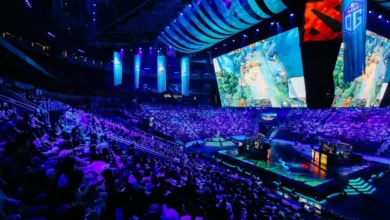
Esports tournaments have become an important part of the gaming industry, bringing together professional players, gaming teams, and fans from around the world. These competitions allow players to compete in popular video games, demonstrate their skills, and win prizes. Some tournaments take place online, while others are hosted in large arenas with live audiences.
If you are new to competitive gaming, understanding how esports tournaments work can help you follow competitions, learn about different formats, and discover how players become champions.
What Is an Esports Tournament?
An esports tournament is an organized video game competition in which individuals or teams compete against one another to achieve a specific goal. Depending on the game, players might need to eliminate opponents, score more points, complete objectives, or win a series of matches.
Popular esports titles include Counter-Strike 2, League of Legends, Dota 2, Valorant, and Rocket League. Each game has its own competitive rules, tournament structures, and scoring systems.
Esports tournaments can range from small community events to international championships featuring professional teams and significant prize pools.
1. Tournament Registration and Qualification
The first stage of many esports tournaments is registration. Players or teams sign up to participate and agree to follow the tournament’s rules.
Depending on the event, participants may qualify in several ways:
- Open qualifiers: Anyone who meets the entry requirements can register and compete for a place in the main event.
- Regional qualifiers: Players compete against others from a particular region to earn qualification.
- Invitations: Organizers invite established teams or players based on their rankings, achievements, or previous performances.
- League standings: Teams qualify by earning enough points or finishing in the required positions during a regular season.
Some smaller tournaments allow direct registration without qualification rounds. Major international events, however, may require teams to progress through several competitive stages.
2. Understanding Tournament Formats
Esports tournaments use different formats depending on the number of participants, the game being played, and the competition’s schedule.
Single-Elimination
In a single-elimination tournament, a player or team is eliminated after losing a match. Winners advance to the next round until only one competitor remains.
This format is easy to understand and usually takes less time to complete. However, one poor performance can end a team’s tournament run.
Double-Elimination
Double-elimination tournaments give participants another opportunity after their first loss. Teams move into a lower bracket and can continue competing for the championship.
A second loss usually results in elimination. This format is popular because it allows teams to recover from an early defeat.
Round-Robin
In a round-robin format, every participant or team plays against every other participant in the group. Points are awarded according to the competition’s rules.
The teams with the strongest records advance to the next stage or finish highest in the standings.
Swiss System
The Swiss system pairs competitors with others who have similar win-loss records across multiple rounds. Participants do not necessarily face every other competitor.
This format is useful when many teams are involved and organizers want to determine rankings without requiring a complete round-robin schedule.
3. How Matches Are Played
Once the tournament begins, players compete according to the rules of their chosen game.
Some matches consist of a single game, while others require competitors to win multiple games in a series.
Common match formats include:
- Best of one (BO1): The winner of one game wins the match.
- Best of three (BO3): The first competitor to win two games wins the series.
- Best of five (BO5): The first competitor to win three games takes the match.
The exact format depends on the game and tournament stage. Early rounds may use shorter matches, while semifinals and finals often feature longer series.
Organizers also establish rules for game settings, player substitutions, technical pauses, disconnections, and prohibited behavior. These rules help maintain fair competition.
4. Group Stages and Playoffs
Many major esports tournaments are divided into two main stages: group play and playoffs.
During the group stage, teams compete to earn points, improve their records, or secure a qualifying position. The strongest teams advance to the playoffs, while the remaining teams may be eliminated.
The playoff stage is usually more intense because each match has a direct impact on the championship.
Depending on the tournament format, the playoffs may include quarterfinals, semifinals, and a grand final. The winner of the grand final becomes the tournament champion.
Not every esports event uses both stages. Some competitions move directly into elimination rounds, while others use leagues or multiple qualification phases.
5. Prize Pools and Tournament Earnings
Prize money is one of the main attractions of professional esports. Organizers, sponsors, publishers, and other partners may contribute to a tournament’s prize pool.
The prize pool is distributed according to the event’s official rules. Champions often receive the largest share, while runners-up and other high-ranking participants may also earn rewards.
Professional players can also generate income through team salaries, sponsorship agreements, streaming, content creation, and other activities.
However, prize money varies considerably between tournaments. Smaller community events may offer modest rewards, while major international competitions can feature much larger prize pools. Participation does not guarantee earnings, and players may have expenses related to travel, equipment, coaching, and training.
6. The Role of Teams, Coaches, and Organizers
Successful esports competitions depend on more than individual gaming skills.
Players practice mechanics, communication, teamwork, and decision-making to perform well under pressure.
Coaches and analysts study opponents, review gameplay, develop strategies, and identify weaknesses that need improvement.
Tournament organizers manage registration, scheduling, competition rules, match administration, and prize distribution.
Referees and technical staff monitor matches, address rule violations, and help resolve technical problems.
Broadcast teams provide commentary, analysis, graphics, and live coverage so viewers can follow the action.
Together, these roles help create a structured and entertaining competitive environment.
7. Online vs. Offline Esports Tournaments
Esports tournaments can take place online or at physical venues.
Online Tournaments
Online competitions allow players to participate from different locations using an internet connection. They are often more accessible because competitors do not need to travel to a shared venue.
However, internet connectivity, latency, hardware differences, and server issues can affect match conditions. Organizers must establish clear technical requirements and procedures for handling disruptions.
Offline or LAN Tournaments
Offline tournaments, commonly called LAN events, bring players together at a physical venue. Competitors use a controlled local network or event infrastructure to play their matches.
LAN events can provide more consistent technical conditions and opportunities for direct competition. Major events may also feature live audiences, professional stages, interviews, and elaborate broadcasts.
Some tournaments combine online qualification rounds with an offline final event.
8. How Fans Watch Esports Tournaments
Fans can follow esports competitions through live-streaming platforms, official tournament websites, social media, and event broadcasts.
Live coverage often includes:
- Real-time match updates and scores.
- Commentators explaining strategies and important plays.
- Expert analysis between games.
- Player interviews and team news.
- Match schedules, standings, and tournament brackets.
Many organizers publish replays and highlights for viewers who cannot watch live. These features help fans understand the competition and follow their favorite teams throughout the tournament.
9. What Happens When a Team Wins?
The final stage of a tournament determines the champion. Depending on the event, the winning player or team may receive a trophy, prize money, championship points, or qualification for another competition.
Tournament results can also affect global rankings, team reputations, sponsorship opportunities, and future invitations.
For professional players, winning a major event can become an important career achievement. For developing players, a strong performance in a smaller tournament can help them gain experience and attract attention from competitive teams.
Tips for Beginners Following Esports Tournaments
If you are new to esports, start with a game you already enjoy or understand. Learning the basic rules makes it easier to follow match objectives and appreciate player strategies.
Before watching a tournament, check its schedule, format, participating teams, and qualification rules. Follow the official standings to see which competitors are advancing.
It can also help to watch beginner-friendly analysis videos and match replays. These resources explain important decisions, team strategies, and common mistakes without requiring advanced knowledge of the game.
Most importantly, remember that every game has a different competitive structure. Understanding the rules of one title does not automatically explain how another title’s tournaments operate.
Conclusion
Esports tournaments work by bringing players or teams together to compete under organized rules. Participants may qualify through registration, rankings, invitations, or preliminary matches before progressing through group stages and playoffs.
Tournament formats such as single-elimination, double-elimination, round-robin, and the Swiss system determine how competitors advance. Match results decide rankings, championship winners, and the distribution of any available prizes.
Whether you watch esports for entertainment or hope to compete yourself, learning these fundamentals makes the competitive gaming experience easier to understand. As the industry continues to develop, esports tournaments offer players and fans new opportunities to participate in the world of organized gaming.
Frequently Asked Questions (FAQs)
Are esports tournaments free to enter?
Some tournaments are free to enter, while others charge entry fees or require qualification through another competition. Entry requirements depend on the organizer and event.
How long does an esports tournament last?
A small tournament may finish in a few hours, while a major international competition can last several days or weeks. The duration depends on the number of participants, match format, and schedule.
Can beginners participate in esports tournaments?
Yes. Beginners can start with community competitions, amateur leagues, online cups, and open qualifiers. These events provide experience before players attempt more competitive tournaments.
Do esports players receive prize money?
Some esports tournaments offer prize money, but the amount varies. Professional players may also earn income through salaries, sponsorships, streaming, and content creation.
What is the difference between a league and a tournament?
A league generally involves repeated matches over a season, with standings based on results. A tournament is usually a defined competition that determines a winner through a particular format. Some esports events combine league play with tournament playoffs.