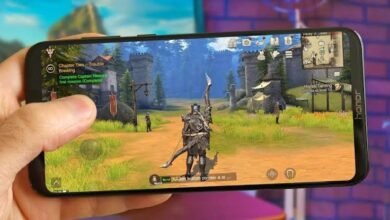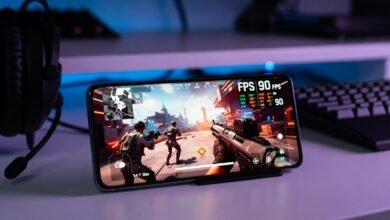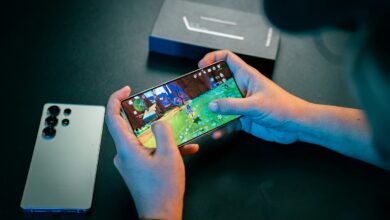
Gaming has become one of the most popular forms of entertainment worldwide. With smartphones becoming more powerful and computers offering advanced gaming technology, players can enjoy thousands of games across different platforms. However, mobile gaming and PC gaming provide different experiences in terms of performance, controls, graphics, cost, and convenience.
If you are unsure whether to play games on a mobile device or a computer, understanding the key differences can help you choose the right platform for your needs.
1. Gaming Performance
Performance is one of the biggest differences between mobile gaming and PC gaming.
Mobile games are designed to run on smartphones and tablets with limited processing power and battery capacity. Modern smartphones can handle many demanding games, but performance depends on the device’s processor, RAM, cooling system, and graphics capabilities.
PC gaming offers more flexibility because players can choose computers with powerful processors, dedicated graphics cards, and larger amounts of memory. High-performance gaming PCs can run demanding titles with higher frame rates and advanced graphical settings.
Which is better? PC gaming generally provides better performance, especially for demanding games. However, modern smartphones are powerful enough for many popular mobile games.
2. Graphics and Visual Quality
Graphics play an important role in creating an immersive gaming experience.
Mobile games often use optimized graphics to maintain smooth performance across different smartphones. Many modern mobile titles feature detailed environments, realistic lighting, and impressive visual effects. However, some graphical features may be limited to save battery power and improve compatibility.
PC games can offer higher resolutions, more detailed textures, advanced lighting, realistic shadows, and additional visual effects. Players with compatible hardware can also use high-refresh-rate monitors for smoother gameplay.
Which is better? PC gaming usually has the advantage in graphical quality, although the difference depends on the game and the hardware being used.
3. Controls and Gameplay
The control system can significantly affect how a game feels.
Mobile gaming mainly uses touchscreen controls, which are convenient for casual games and quick interactions. Some smartphones also support external controllers, making certain games easier to play.
PC gaming typically uses a keyboard and mouse. This combination provides precise aiming, quick movement, and access to many customizable controls. Players can also connect compatible game controllers for racing, sports, and action games.
For example, first-person shooter games may offer more precise aiming with a mouse, while touchscreen controls can be convenient for playing on the move.
Which is better? PC gaming is often preferred for games that require precision, while mobile controls are convenient for casual and touch-based gameplay.
4. Cost of Gaming
Budget is another important factor when choosing a gaming platform.
Mobile gaming can be more affordable because many people already own a smartphone. Free-to-play games are widely available, although some include advertisements, optional purchases, or subscriptions.
PC gaming usually requires a computer with suitable hardware. A dedicated gaming PC can involve a significant initial investment, especially when purchasing a monitor, keyboard, mouse, and other accessories. Some PC games also require separate purchases.
However, PC players can upgrade individual components over time rather than replacing the entire system.
Which is better? Mobile gaming is generally more affordable to start. PC gaming may offer more hardware flexibility over the long term, depending on upgrade costs and game purchases.
5. Portability and Convenience
One of the main advantages of mobile gaming is portability. Players can enjoy games at home, during travel, or while waiting for an appointment. A smartphone fits easily into a pocket or bag, making it suitable for short gaming sessions.
PC gaming is less portable because a desktop computer usually requires a dedicated setup, including a monitor and other accessories. Gaming laptops provide a more portable alternative, although they can be heavier and more expensive than standard laptops.
Mobile gaming also depends on battery life, and demanding games can cause smartphones to heat up or lose power quickly.
Which is better? Mobile gaming is the better choice for portability, while PC gaming is well suited to a dedicated gaming environment.
6. Game Availability
Both platforms offer a wide variety of games, but their libraries are different.
Mobile platforms feature casual games, puzzle games, strategy titles, racing games, battle royale games, and multiplayer experiences. Many mobile games are designed for short sessions and simple controls.
PC gaming provides a broad selection of genres, including strategy simulations, competitive shooters, role-playing games, complex simulation games, and large open-world adventures. Some PC titles also support extensive modifications, custom content, and community-created features.
Not every PC game is available on mobile, and mobile versions of the same game may have different features or controls.
Which is better? PC gaming generally offers a wider range of complex and customizable gaming experiences, while mobile gaming excels in accessible and convenient entertainment.
7. Multiplayer and Online Gaming
Online multiplayer gaming allows players to compete or cooperate with people around the world.
Mobile games often make it easy to join matches through a smartphone and play with friends. Many titles include built-in matchmaking, team modes, voice chat, and social features.
PC gaming offers established competitive communities, detailed control customization, and support for a wide range of online multiplayer games. Players can also use communication applications while gaming.
Cross-platform play is available in some games, allowing mobile and PC users to play together. However, this feature depends on the specific game and its matchmaking rules.
Which is better? Both platforms offer strong multiplayer experiences. PC gaming is particularly popular in many competitive genres, while mobile gaming makes online play accessible to a larger range of users.
8. Battery Life, Power, and Heat
Power consumption is an important consideration for both platforms.
Mobile games run on battery-powered devices. Graphics-intensive games can drain the battery quickly and generate heat, which may cause the phone to reduce performance to control its temperature.
Desktop gaming PCs use continuous electrical power and can generate considerable heat during demanding sessions. Proper ventilation and cooling help maintain performance. Gaming laptops face a combination of these challenges because they use batteries while also requiring effective cooling.
Which is better? Neither platform is perfect in this area. Mobile gaming offers battery-powered convenience, while desktop PCs can maintain sustained performance with appropriate cooling and a reliable power supply.
9. Customization and Upgrades
PC gaming provides considerable flexibility for users who want to customize their experience. Depending on the computer, players can upgrade components such as the graphics card, RAM, storage, and cooling system. They can also adjust graphics settings and configure peripherals.
Mobile devices offer fewer hardware upgrade options. Players generally need to purchase a new phone to gain a substantial improvement in processing power, graphics performance, or memory.
However, smartphones are simple to set up and require less hardware maintenance than many desktop gaming systems.
Which is better? PC gaming is the stronger option for hardware upgrades and detailed customization.
Mobile Gaming vs PC Gaming: Quick Comparison
| Feature | Mobile Gaming | PC Gaming |
|---|---|---|
| Performance | Good on supported devices | Higher potential performance |
| Graphics | Impressive but often optimized | More advanced options |
| Controls | Touchscreen or controller | Keyboard, mouse, or controller |
| Starting cost | Usually lower if you own a phone | Usually higher |
| Portability | Excellent | Limited for desktops |
| Game selection | Large mobile-focused library | Broad library with complex titles |
| Battery usage | Important consideration | Not applicable to desktop PCs |
| Upgrades | Usually requires a new device | Individual components can be upgraded |
| Best suited for | Casual and on-the-go gaming | Competitive and demanding games |
Which Gaming Platform Should You Choose?
The right choice depends on your budget, preferred games, and gaming habits.
Choose mobile gaming if you:
- Prefer playing games while travelling or away from home.
- Want to start gaming without buying a separate computer.
- Enjoy casual games, mobile multiplayer, or short gaming sessions.
- Prefer a portable and convenient setup.
Choose PC gaming if you:
- Want high graphical quality and potentially higher frame rates.
- Enjoy complex games, competitive shooters, or detailed simulations.
- Prefer keyboard and mouse controls.
- Want more customization, hardware upgrades, and access to PC-specific games.
You do not necessarily need to choose only one platform. Some players use smartphones for casual games and a PC for demanding titles or competitive gaming.
Final Thoughts
Mobile gaming and PC gaming each have distinct advantages. Mobile gaming stands out for portability, convenience, and lower entry costs, while PC gaming generally offers better performance potential, more detailed graphics, customizable controls, and greater hardware flexibility.
Before choosing a platform, consider which games you enjoy, how much you want to spend, and where you prefer to play. The best gaming platform is the one that fits your lifestyle and provides an enjoyable experience without exceeding your budget.